




How to predict upper GI bleeding outcome
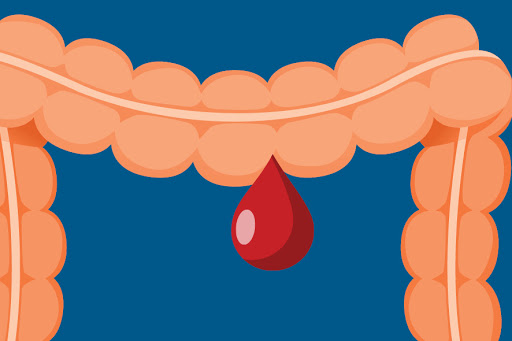
Acute bleeding from the upper gastrointestinal tract (AUGIB, Bleeding Gastrointestinal Upper Acute) is bleeding that occurs in the gastrointestinal tract and from the upper parts of the Treitz of the ligament and is acute. It imposes high medical costs on governments and patients, and the unfortunate consequences of this type of hemorrhage include rebleeding after the initial hemorrhage has stopped and the patient dies, and these patients usually have other complications at the same time as gastrointestinal bleeding. And often the onset of these complications after gastrointestinal bleeding is fatal.
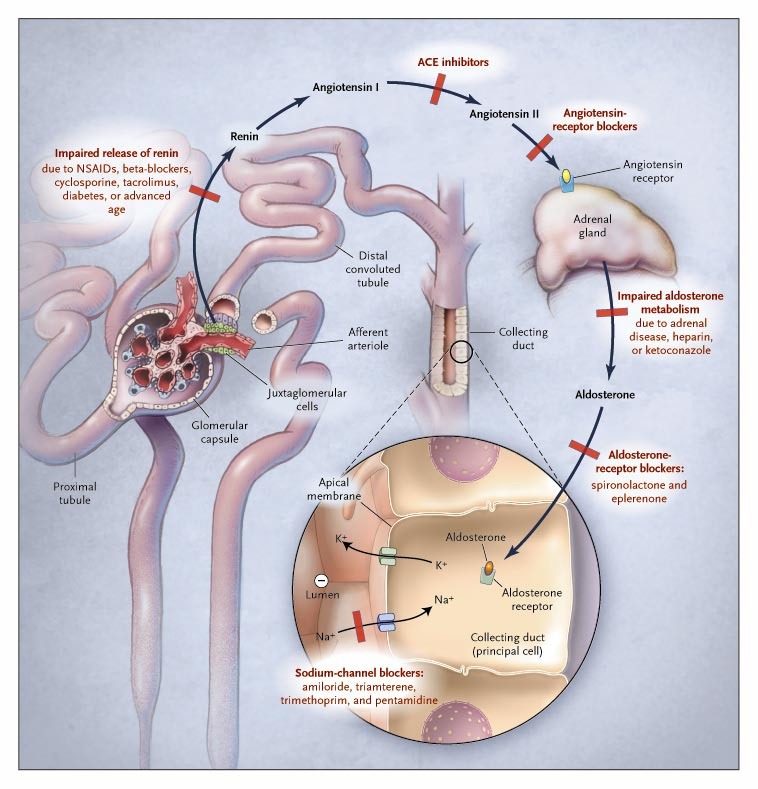
Hyperkalemia and inhibitor of Renin-Angiotensin-Aldosterone Administration
Since the introduction of angiotensin converting enzyme (ACEI) inhibitors in 1977, and when angiotensin receptor blockers (ABRs) were developed, these drugs have been used daily in the treatment of heart failure, hypertension and heart disease. Other uses of these drugs include acute myocardial infarction, left ventricular dysfunction after infarction, non-diabetic nephropathy, and type I diabetes mellitus, and in protecting the cardiovascular system in Special doses (trandolapril, perindopril, ramipril) were mentioned
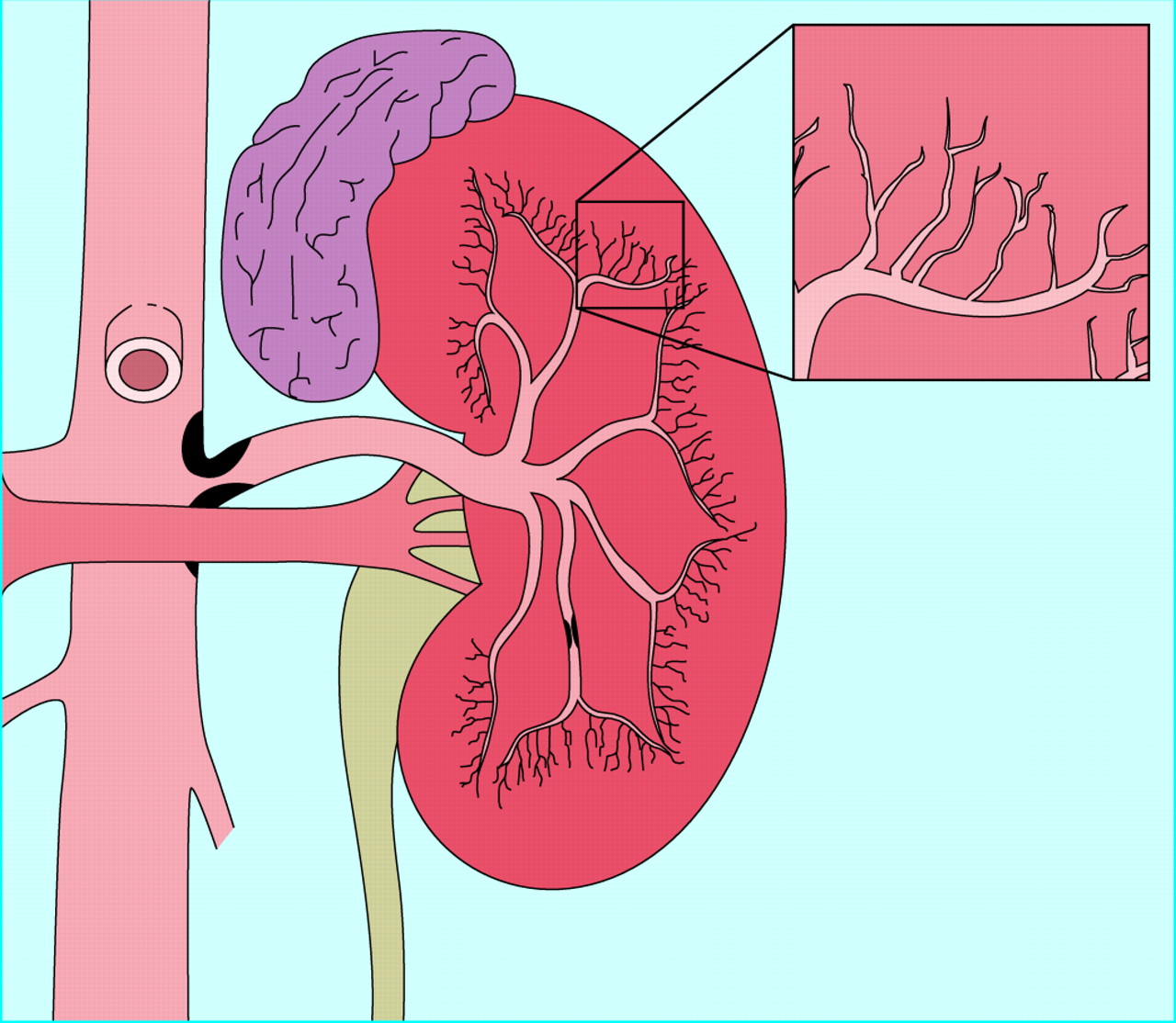
Renal Artery Stenosis
Introduction I can remember the time when I, as a general practitioner, was called to visit a patient with history of episodes of sudden skyrocketing rise in blood pressure in an out-patient setting. He had not had any history of hypertension before the occurrence of these episodes of changes in the blood pressure about four months prior to my visiting him. He was in his 50’s and not a smoker. Admission at CCU for controlling the rise in his blood pressure could be seen in his case record but no evidence of arterial disorder could be found. His BUN was within

Introduction to Renin-Angiotensin-Aldosterone System
Renin-angiotensin-aldosterone system is an interconnected set of hormones which contribute to water, electrolytes and blood pressure homeostasis. Recently, other functions of this system have been introduced including participation in inflammatory responses, apoptosis, cell differentiation and metabolic pathways. This article was published about 16 years ago and will be updated soon.
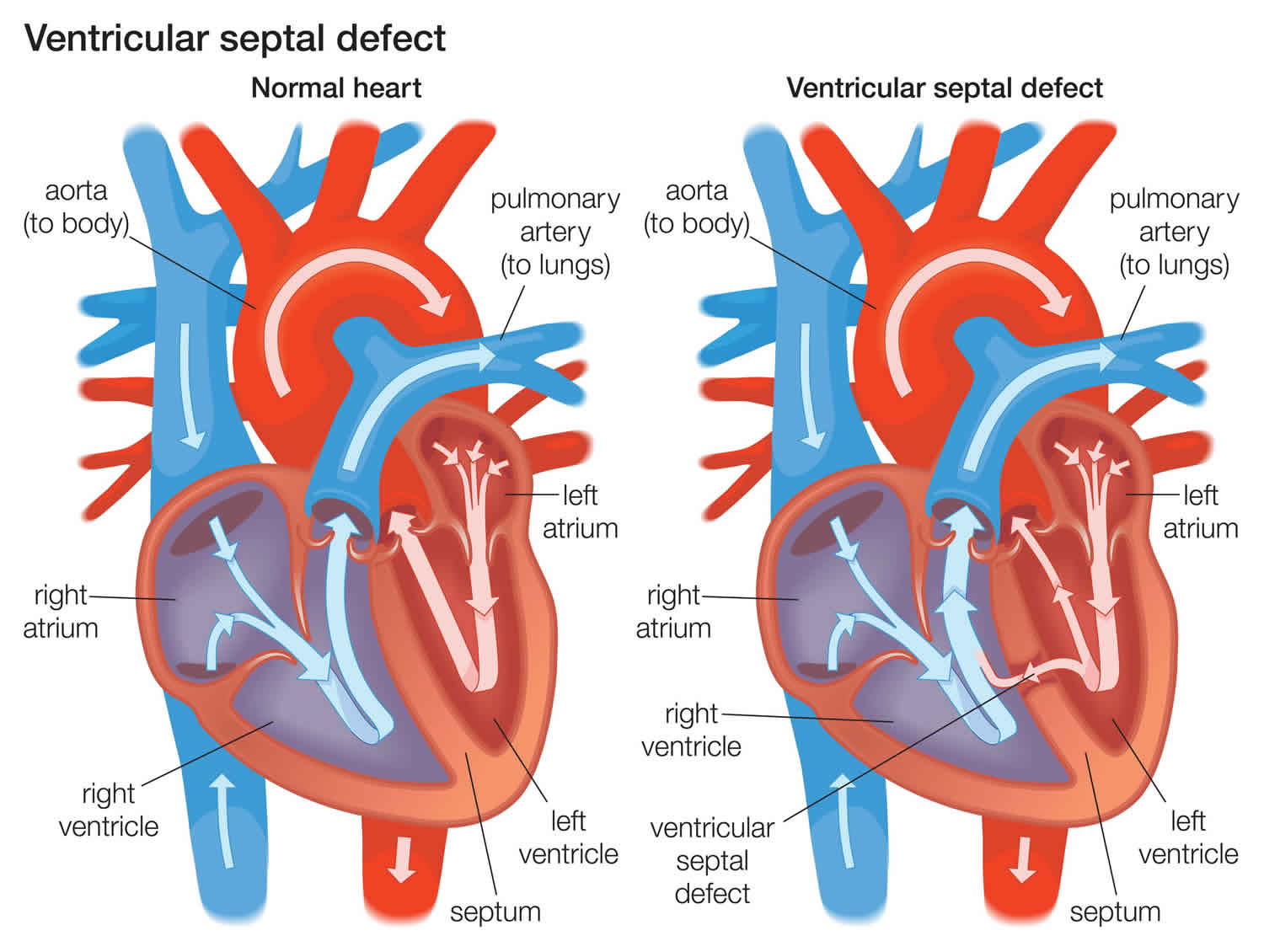
POST-CPR MANAGEMENT OF AN ADULT-TYPE OF VENTRICULAR SEPTAL DEFECT WITH EISENMENGER SYNDROME
POST-CPR MANAGEMENT OF AN ADULT-TYPE OF VENTRICULAR SEPTAL DEFECT WITH EISENMENGER SYNDROME On December 15, 2017, I was called by a respectable talented cardiologist, an expert fellow of echocardiography, who asked if I could admit a patient at ICU, Bazarganan Hospital, Tehran, Iran. The patient had referred to a primary hospital in seeking for medical care as she had pain in her right flank. It seems that according to her medical record she was in deep cyanosis and being evaluated in ultrasonography ward for any probable pathology within the abdomen while cardiorespiratory arrest occurred and ACLS successfully led to return of spontaneous circulation
Report of a case of pneumopericardium resulting from a stabwound
An 18-year-old woman with a height of about 160 cm and a weight of about 50 to 55 kg was brought to the emergency room of TehranPars Hospital on the afternoon of Tuesday, June 7, 2006 due to a stab wound. At the time of admission to the emergency room, the patient's abdomen and sides were bloody, and by removing his clothes, it was determined that a knife blow of 2 to 3 cm in length and an unknown depth had entered the area below the hexaphoid appendage and the right side. The patient had a blood pressure of 70.50
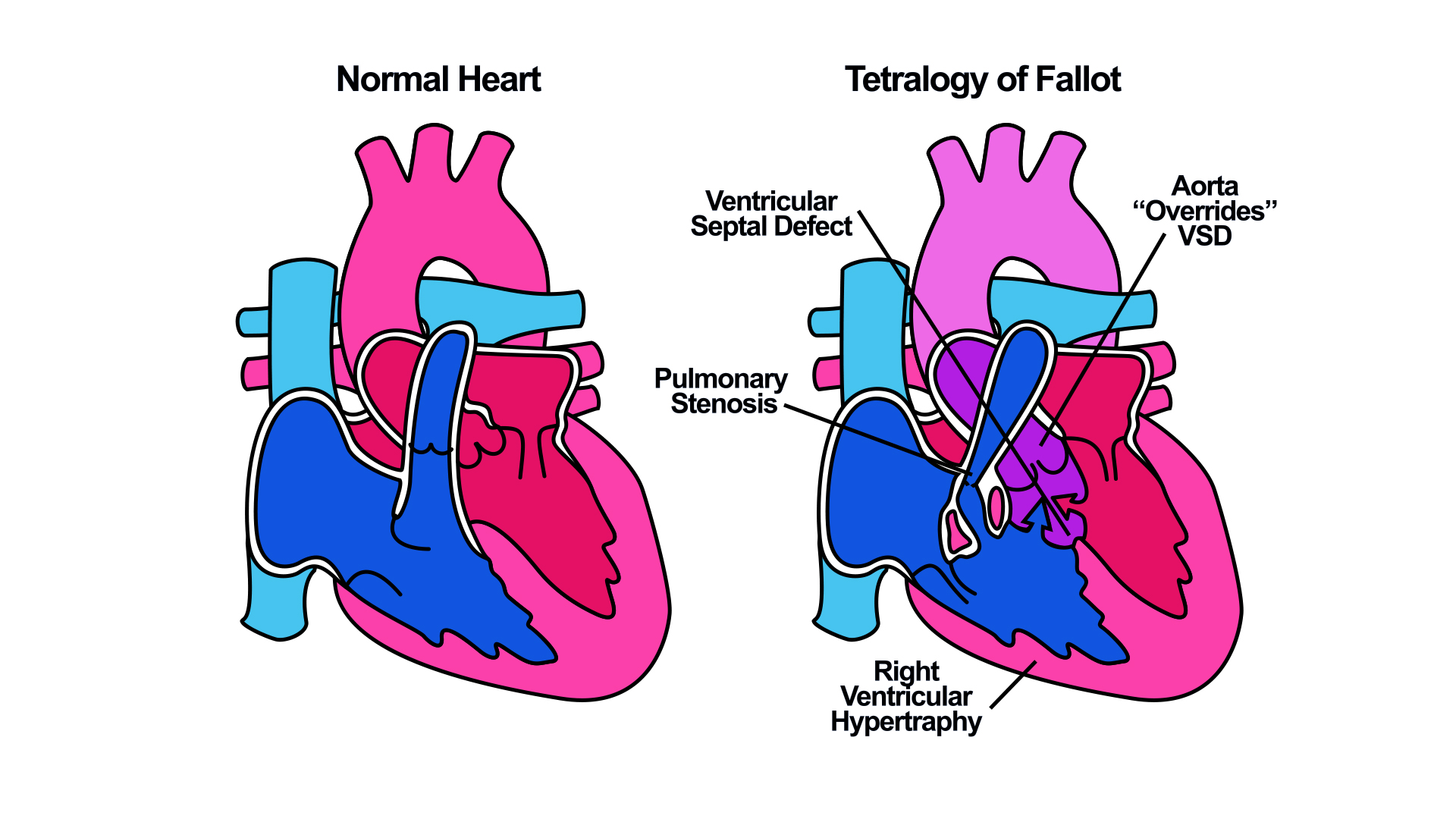
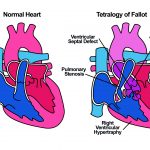
Tetralogy of Fallot
An adult case of tetralogy of Fallot A 47-year-old patient with Tetralogy of Fallot with history of six times of normal vaginal delivery Reza Nejat, M.D., Anesthesiologist, FCCM Foroozan Yazdanian, M.D. (Assistant Professor, Shahid Rajaee Heart Center, Fellow of Cardiac Anesthesiology) Introduction A 47-year-old woman of 42 kg weight and 145cm height was admitted to Shahid Rajaee Heart Center, Iran University of Medical Sciences, Tehran, Iran, seeking for surgical intervention for her congenital heart defect. At the age of 18 years she was told that she had been suffering from a kind of congenital heart disease, Tetrology of Fallot. Dyspnea, particularly during taking shower, palpitation and occasional episodes of

Digoxin and its Toxicity
Digitalis glycoside digoxin, a category known compounds (Digitalis) and trans Verde was purified from the leaves and seeds of Digitalis and Strophanthus of foxglove (plant foxglove), the oldest drug for the treatment of patients with heart failure, the heart is still superimposed. The history of finger consumption dates back to 1500 BC, when the plant was used as a poison. For the first time in 1785, Dr. Withering explained the beneficial effects of consuming the product obtained from the flowers of the finger mud in increasing urinary excretion and treating inflammation. The ability of digitalis compounds to increase the contractile
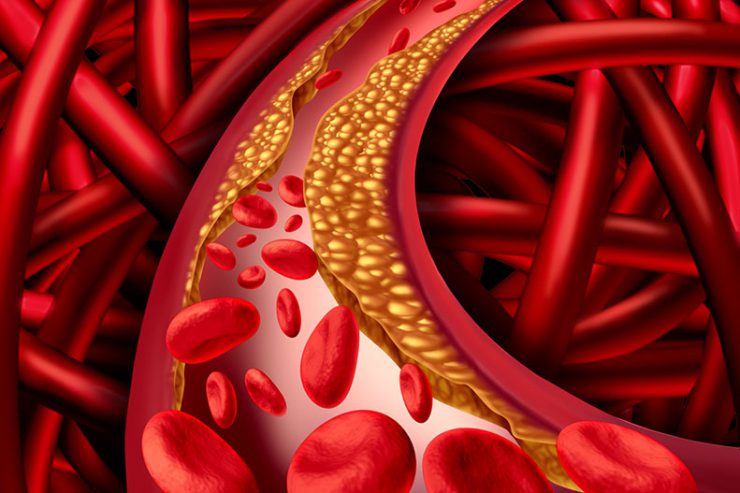
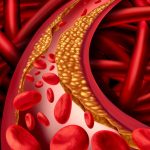
Atherosclerosis & Aspirin
About 25 percent of the reduction in coronary heart disease deaths in the past 30 years can be attributed to early preventive measures to prevent risk factors such as controlling blood pressure, hypercholesterolemia, and encouraging non-smoking and daily exercise. To know. In addition to the above factors, which are the goal of primary preventive measures against coronary heart disease and perhaps better, against atherosclerotic diseases, platelet activity and inflammation can also be mentioned as factors involved in the occurrence of these diseases.